How Casinos Are Built to Keep You Playing
Casinos aren’t just built they’re engineered. Everything from the floorplan to the lighting is designed to nudge you into staying longer, wandering further, and spending more. Start with time: there are no clocks and no windows. You don’t know if it’s noon or midnight, and that’s the point. When your internal sense of time slips, you’re more likely to keep playing without breaks.
Next, the layout. Casinos tend to avoid straight lines. Instead, they use winding paths and intentional dead ends. It gives you a reason to explore. A machine catches your eye, a table game tempts you from around the corner. You’re not rushing to an exit you’re immersed in the space.
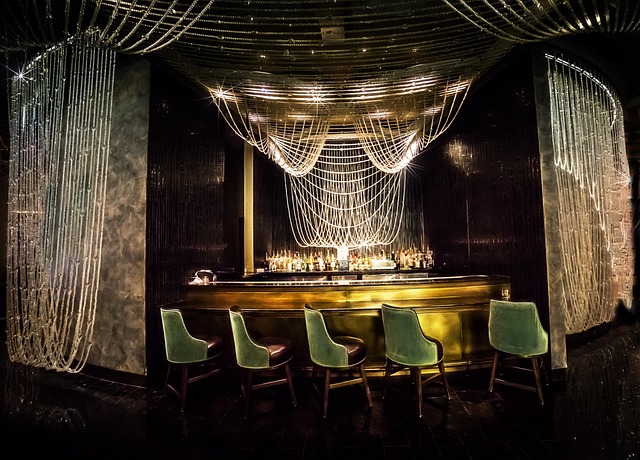
Lighting and sound work together too. Warm, low lighting creates a cozy vibe. Upbeat background music keeps energy levels high and decision fatigue low. The environment is calibrated to keep your mind alert, but not stressed.
Placement of machines and games is also a fine tuned strategy. High traffic areas showcase the most visually engaging slots. Table games sit deeper in the maze, creating a sense of progression. The idea? Constant exposure, light distractions, and gentle stimulation. The house doesn’t just play the odds it plays your senses.
Visual and Sensory Triggers That Hook the Brain
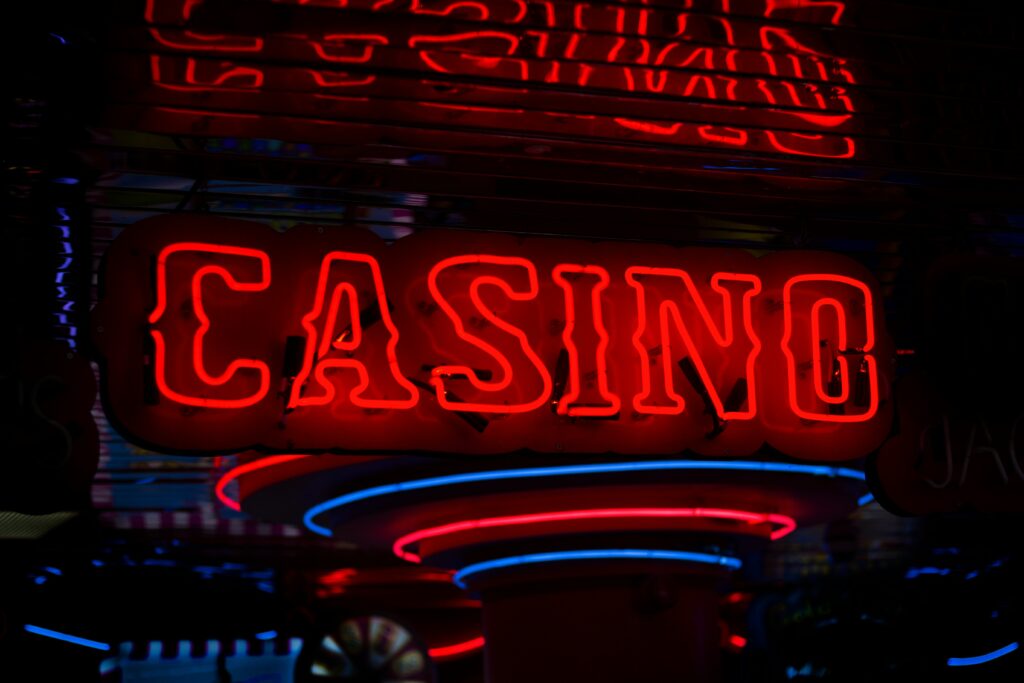
Casinos are engineered to speak directly to your senses and they rarely whisper. Take color, for example. Reds, golds, and warm earth tones dominate the floor. These shades aren’t just decoration; they’re linked to heightened excitement, stimulation, and energy. You’re supposed to feel alert, just primed enough to stay and keep playing.
Then there’s the sound. Walk into a casino and you’ll hear an endless loop of fake wins: coins clinking, bells chiming, digital cheers. It creates the illusion that someone is always winning maybe you’re next. This audio loop feeds the reward centers of the brain, making it harder to walk away.
Even the air is curated. Subtle, pleasant scents drift through the room, carefully designed to soften stress and reduce inhibition. You’re a little more relaxed, a little more willing to take that next spin. It’s not accidental. The sensory environment is built as a funnel helping you lose track of time, money, and the edge you walked in with.
Rewards and Reinforcement: Why It’s Hard to Stop

One of the most powerful hooks in any casino is the random payout system. Intermittent wins small, unpredictable rewards tap into a psychological principle known as variable ratio reinforcement. It’s the same loop that keeps people pulling slot levers or scrolling social feeds. The thrill doesn’t come from winning big, but from not knowing when the next win will hit.
Then there’s the trick of losses disguised as wins, or LDWs. These happen when players get back less than they wagered, but the machine still celebrates like a victory bright lights, happy sounds, flashy animations. Your brain doesn’t always register that you just lost. It only notices the stimulation. That keeps you going.
Add in the icing: free drinks, loyalty points, comps for rooms or meals. These perks create an illusion of value that makes you feel like you’re walking away with more than you came with, even if your wallet says otherwise. It feels like a reward economy but you’ve already paid in attention, time, and money.
The setup is smart, calculated, and most people never notice it working. But it’s always working.
Behavioral Patterns and Design Exploits
Casinos are not just designed to look good they’re crafted to influence how you behave. From layout decisions to subtle visual cues, everything has a purpose: keeping you engaged, playing longer, and spending more.
The ‘Near Miss’ Effect: Almost Winning Feels Like Progress
Ever spin a slot and land just one symbol short of a jackpot? That’s not bad luck it’s a psychological tactic.
Your brain processes near wins similarly to actual wins
This creates a sense of “almost there,” triggering continued play
The anticipation boosts dopamine, reinforcing the behavior
Studies show that near misses activate the same reward centers in the brain as real wins, making you feel like you’re building momentum even when you aren’t.
Open Floor Plans and Social Influence
Casinos use open layouts intentionally, creating a sense of shared experience through visibility and activity.
Watching others win can fuel your desire to play
Crowded areas or visible jackpots promote a concept known as social proof
The design encourages casual observers to turn into active players
When you see someone excited at a craps table or hitting big on the slots, it subtly convinces you that winning is more common than it is.
Physical Comfort Keeps You Sitting Longer
If a slot machine feels just right, that’s by design. Seating, spacing, and machine height all play roles in how long you stay engaged.
Ergonomic chairs reduce discomfort during long sessions
Machines are positioned at eye level to minimize physical strain
Personal space is balanced to make you feel comfortable, yet connected to the action
These seemingly minor choices contribute to a low effort, high comfort environment that encourages extended play.
Understanding these behavioral tactics is the first step toward resisting them. In a space engineered to pull you in, awareness is what helps you walk away.
Staying In Control: Use Psychology to Your Advantage
Casinos are designed to trigger fast decisions most of them impulsive. Recognizing that is your first guardrail. Flashing lights, near miss spins, the constant sound of someone, somewhere winning it all works to pull you in and keep you chasing. When you understand that the environment is part of the game, you stop playing on autopilot.
Before stepping onto the floor, set your limits. Time and money decide both ahead of time. Not after your first win, not after your third loss. Stick to what you planned. A timer on your phone helps. So does cash instead of cards. And if you’re tempted to stretch your budget “just a little,” walk away for five minutes. That pause might save your night.
For more tools to stay sharp and grounded, check out this practical guide: gambling psychology tips. You’ll find tactics that go beyond advice and into habits.
Explore more responsible play tactics here. The house may have the math, but you have the mindset.
What to Remember Every Time You Play
Casinos aren’t just buildings with games inside they’re finely tuned systems designed to keep you engaged for as long as possible. Every detail, from ambient lighting to carpet patterns, is crafted with one goal: keep you playing. Knowing this before you walk in doesn’t ruin the fun. It just means you’re playing consciously, not blindly.
Your strongest weapon isn’t a lucky charm or a betting system. It’s your mindset. Set limits time, money, attention and stick to them. Take breaks. Walk around. Step outside. These simple moves can reset your perspective and keep you from getting pulled into the undertow.
Lastly, don’t just study the odds of the game study the room itself. Where machines are placed, why that music plays at a certain tempo, why the bar is nowhere near an exit. Smart players observe everything, not just the cards or reels. Awareness turns the tables even when the house still has the edge.