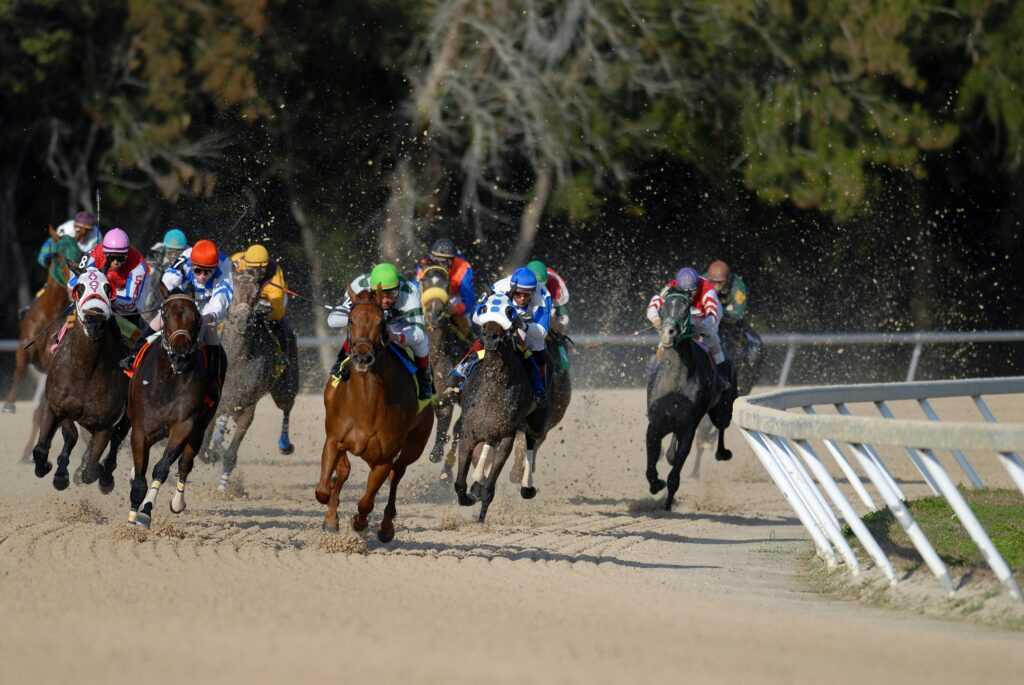
Horse racing can feel intimidating for beginners, with fast-moving odds and unfamiliar terminology. The Preakness Stakes, however, is often considered one of the easiest major races to follow thanks to its smaller field, clearer race pace, and Triple Crown excitement.
The 151st Preakness Stakes takes place on May 16, 2026, with a temporary move to Laurel Park during Pimlico’s renovations. A smaller field, fresh setting, and easier race dynamics for first-time bettors make this year’s race especially approachable for beginners.
Why the Preakness Stakes Draws So Much Attention
The Preakness Stakes falls between the Kentucky Derby and Belmont Stakes, making it a key part of the Triple Crown season. Fans typically watch closely to see whether the Derby winner can keep Triple Crown hopes alive into the next leg.
That storyline remains a major draw heading into 2026, helping sustain interest among sports fans and casual bettors alike. Even viewers who don’t follow horse racing regularly tend to tune in when a Triple Crown narrative is still in play.
The 2026 Preakness also features a rare venue change, moving from Pimlico to Laurel Park during renovations. Laurel’s wider layout, longer stretch, and different surface conditions could influence how the race unfolds, opening up new angles for bettors evaluating pace and positioning. Expanded coverage on CNBC, NBC, and Peacock will also make the race easy for first-time viewers to follow from start to finish, with live analysis, interviews, and race-day breakdowns.
The Most Popular Preakness Bets for First-Time Fans
The Preakness usually features a smaller field than the Kentucky Derby, making betting feel less overwhelming and easier for beginners to follow contenders and understand race strategy.
The Safest Bets for First-Time Preakness Bettors
Straight bets remain the simplest way to enjoy the race:
- Win: Your horse must finish first,
- Place: Your horse can finish first or second,
- Show: Your horse can finish in the top three.
Many beginners prefer Show bets for their lower exposure, while Triple Crown contenders often attract the most public support.
Why Exactas and Trifectas Draw So Much Attention
Smaller Preakness fields often lead bettors toward exotic wagers like Exactas and Trifectas, which require predicting the first two or three finishers in order for larger potential payouts.
Exacta Boxes simplify the process by allowing selected horses to finish in any order, making them popular with beginners who like multiple contenders, but do not want to predict an exact sequence during high-pressure race moments.
How Triple Crown Hype Shapes the Odds
Public excitement dramatically affects odds during the Triple Crown season. Derby winners often become heavy favorites in the Preakness, especially when media coverage intensifies.
Sharp bettors sometimes look elsewhere for value. Fresh horses skipping the Derby, often called “new shooters”, occasionally outperform tired rivals returning from a demanding race two weeks earlier after the Kentucky Derby.
How to Read Preakness Odds Without Feeling Lost
Preakness odds reflect both a horse’s winning chances and potential payouts. The numbers may seem confusing at first, but they become easier to understand once you learn the difference between favorites and longshots.
A horse listed at 2-1 is considered a strong contender, meaning a $1 bet would return $2 in profit if the horse wins. Longshots carry much higher odds, such as 15-1, offering bigger payouts but lower chances of winning in most race scenarios.
Horse racing uses a pari-mutuel system, where bettors compete against one another rather than the sportsbook. Odds shift throughout the day based on where the betting money goes.
Morning Line odds are early predictions from racing analysts, while live odds continue changing until the gates open. Watching those movements can help beginners spot which horses are gaining confidence before the race.
Following the Race With More Confidence
Preparation can make the Preakness easier for beginners to follow. Pre-race coverage and basic betting trends often help new bettors feel more comfortable before placing a wager.
Experienced horseplayers frequently study warmups, trainer interviews, and odds movement before finalizing bets. Small details, such as a restless horse near the gate or increased attention around a jockey, can sometimes influence late betting momentum.
Modern horse racing platforms have also made the sport much easier to follow. Live odds, educational content, streaming coverage, and mobile betting tools help simplify race day for newer fans during major Triple Crown events.
Many first-time bettors use platforms like FanDuel.com to track live Preakness odds, compare contenders, and learn common wager types in real time. Live replays and race analysis can also help beginners better understand how races unfold.
Beginner-Friendly Angles to Watch in the 2026 Preakness
Horse racing analysis can become extremely technical, though beginners only need a few key concepts to start making smarter decisions.
The “Laurel Factor” Could Matter
Laurel Park is one of the biggest storylines entering the 2026 Preakness outside the Triple Crown chase itself. Horses with previous success at Laurel, along with trainers familiar with the track’s surface and layout, could hold an advantage many beginners overlook. That familiarity can quietly influence positioning and comfort once the race gets underway.
Why Fresh Horses Can Surprise People
The Kentucky Derby can leave horses drained after a demanding 20-horse race. Fresh horses that skip the Derby, often called “new shooters,” sometimes perform well in the Preakness because they arrive more rested and attract strong betting interest. They can also bring a different running style that hasn’t been tested in the Derby pace pressure.
Simple Clues Hidden in the Race Program
Beginners should focus on simple indicators like recent finishes, speed figures, jockey reputation, track experience, and trainer success. Speed figures measure how fast a horse ran in previous races, with higher numbers often signaling stronger recent form. Looking at how those figures trend over time can be just as important as the most recent result.
Easy Betting Strategies That Keep the Race Fun
Many experienced horseplayers approach the Preakness conservatively to avoid unnecessary losses. A modest bankroll keeps the experience enjoyable while helping beginners try different wager types without overspending.
Popular beginner-friendly strategies include:
- Splitting bets between Win, Place, and Show,
- Betting favorites to Show for safer returns,
- Using Exacta Boxes with two leading contenders.
The smaller Preakness field also makes races easier to follow than the Kentucky Derby, with fewer horses and fewer variables to track throughout the race. That simpler race flow can help beginners feel less overwhelmed during the final stretch.
More Than Just a Betting Event
The Preakness Stakes delivers far more than wagering opportunities. Triple Crown drama, packed grandstands, and the roar of the stretch run create one of the most exciting atmospheres in American sports during the spring racing calendar each year.
First-time bettors should focus less on chasing perfect predictions and more on enjoying the experience. Following the horses, learning race strategy, and understanding betting basics often become the gateway into a much deeper appreciation for horse racing itself.
*Content reflects information available as of 2026/05/07; subject to change