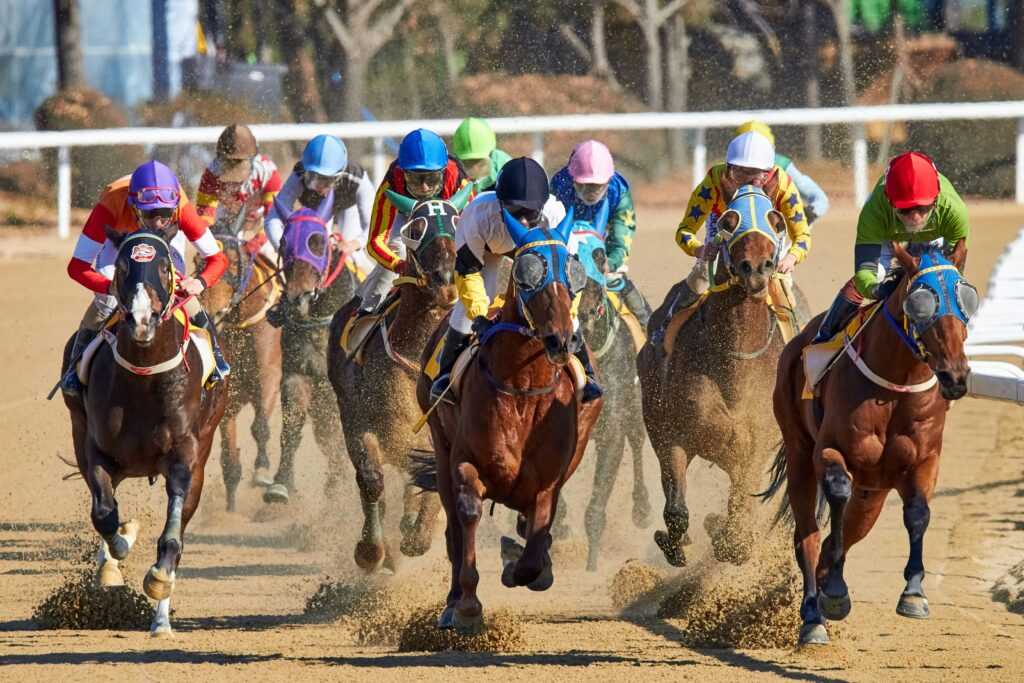
Early-season racing is one of the most intriguing and confusing points on the horse racing calendar. Three-year-olds have outgrown their juvenile phase but are still works in progress, making January and February performances as misleading as they are revealing.
For the Sunland Derby, early data bridges promise and proof. Speed figures, prep races, and trainer intent begin to shape the picture, but it’s far from complete. The aim isn’t to crown a winter winner, it’s to read the clues without getting distracted by the noise.
Speed Figures Are a Story, Not a Snapshot
Speed figures drive early-season discussion because they’re easy to compare, but the most valuable ones reveal a horse’s development over time rather than a single flashy performance.
Progression Over Peaks
A single standout number can grab headlines, but gradual improvement is usually the healthier signal, especially when evaluating early-season three-year-olds. Horses that move forward in controlled steps tend to hold their form as distances increase and competition stiffens.
Identifying the Forward Move
Look for horses improving their figures by three to five points in their first start as three-year-olds, a pattern that suggests physical maturity rather than a one-off effort. These runners often have more in reserve when stepping into stakes company.
By contrast, January lifetime tops, particularly in lightly raced horses, can be red flags, as they often precede a bounce when stretching out in distance.
What the Early Numbers Need to Say
Recent Sunland preps suggest figures in the low 90s are often competitive, and reaching that range with upside can be more telling than peaking early, subtle distinctions that frequently separate vulnerable favorites from overlooked contenders. Horses arriving at that level through incremental improvement tend to handle the added distance and pressure better than those already showing signs of plateauing.
How Sunland Park’s Surface Shapes the Data
Sunland Park’s surface, altitude, and race flow pose unique challenges for shippers, making early-season races crucial for revealing which running styles the track truly rewards.
Speed-Friendly, But Not Reckless Speed
Tactical speed has long been an asset at Sunland. Horses that secure position without being fully committed early tend to fare better than pure burners who need the lead at all costs. This nuance is easy to miss if you focus only on early fractions. Runners able to relax just off the pace often preserve enough energy to respond when pressure builds entering the far turn.
What Early Preps Reveal About the Track
Races like the Riley Allison Derby act as early indicators of how Sunland is playing, whether speed is holding or closers are finishing, helping bettors evaluating contenders for the Sunland Derby 2026 put speed figures in proper track-specific seasonal context. Patterns that repeat across multiple prep races tend to matter more than any single result, especially early in the meet.
Distance as the Great Equalizer
The jump to 1 1/16 miles exposes horses with shallow stamina. High pace points paired with fading late fractions usually signal trouble ahead. Horses finishing strongly, even without winning, often move forward next time when others begin to flatten. Late energy distribution becomes more predictive than raw speed once stretching out, particularly for lightly raced three-year-olds.
Trainer Patterns That Quietly Signal Intent
Early-season entries signal trainer intent as the Derby trail narrows, emphasizing development over immediate results.
The Baffert Template
Bob Baffert’s success at Sunland reflects a clear pattern: horses just below elite West Coast stars, talented enough to earn points, and more likely to progress steadily than dominate early, over multiple prep cycles and distances, an ideal fit for the track’s demands. These runners are typically placed to build foundation first, with peak efforts targeted for later preps rather than a single early explosion.
The Local Advantage
Local trainers such as Todd Fincher or Joel Marr understand Sunland’s dirt better than anyone. Horses prepped through local allowance races or the Riley Allison Derby often display resilience over raw brilliance, a trait that becomes valuable when footing and pace turn tricky. That familiarity can translate into smarter placement and fewer surprises when conditions shift.
The Shipper Signal
When national trainers like Steve Asmussen or Brad Cox send a horse to Sunland instead of Oaklawn or Fair Grounds, it’s rarely accidental, often signaling confidence that the horse’s speed profile fits Sunland’s historical tendencies, a nuance bettors frequently miss. These moves often indicate a calculated attempt to exploit favorable conditions rather than chase stronger early competition elsewhere.
Separating Real Ability From Small-Sample Noise
Early-season form lines can mislead without visual confirmation. At this stage of the calendar, how a horse runs often matters more than where it finishes, making trip analysis especially valuable.
Finish position alone rarely tells the full story. Traffic trouble, wide journeys, and sustained kickback can all mask strong efforts that won’t be obvious on paper. Watching replays helps uncover performances that were better than they appear.
Key early-season trip clues to watch for include:
- Getting trapped behind fading rivals,
- Racing wide on both turns,
- Fighting heavy kickback,
- Being geared down late after momentum stalled.
Horses showing these hidden positives often move forward next time out, particularly when public attention centers on wins and margins rather than circumstances such as trip trouble or pace dynamics.
Early losses can be intentional, with trainers using sprints as fitness builders for route horses; a mid-pack finish paired with a strong gallop-out, equipment tweak, or rider change often signals a sharper effort ahead.
Filtering Data Through Surface and Geography
Speed figures don’t exist in a vacuum, and where they’re earned can matter as much as the number itself. Track composition, altitude, and pace structure often reshape how those figures should be interpreted.
Figures posted on East Coast tracks or at Oaklawn don’t always translate to Sunland’s faster, higher-altitude dirt, where pace pressure and surface grip can dramatically alter outcomes.
A reliable way to validate small samples is tracking how the beaten field performs next time out, since multiple return winners strengthen the original race and consistency across venues helps reduce small-sample bias.
Pulling the Threads Together Before Derby Day
Early-season race data isn’t about crowning a champion; it’s about learning which horses are moving forward, handling new challenges, and being placed with purpose as the prep season begins to take shape.
The best readers of data combine numbers, visuals, and context, respecting development curves, understanding surface nuance, and resisting the urge to overreact to early results.
By the time the Sunland Derby arrives, the clues are already there, quietly waiting for those patient enough to read them. They reveal themselves across prep races and shifting conditions.